







As we prepare for the second year of our three-year conservation programme at Port Lockroy, our Head of Buildings and Conservation, Ruth Mullett, looks back at what we achieved last season and ahead to the major structural work still to come.
Port Lockroy is now well into one of its most significant phases of conservation work since UKAHT restored and reopened the site in 1996.
The programme began after our team discovered that structural problems beneath the ionospheric room in Bransfield House were far more extensive than previously understood. Investigative work revealed that parts of the floor structure could no longer adequately support the loads being placed on them.
The causes are multifaceted. Increased snow loading is putting greater pressure on the building, while some particularly heavy historic artefacts add significant weight inside. The largest of these is the “Beastie”, an ionosonde weighing more than half a tonne.
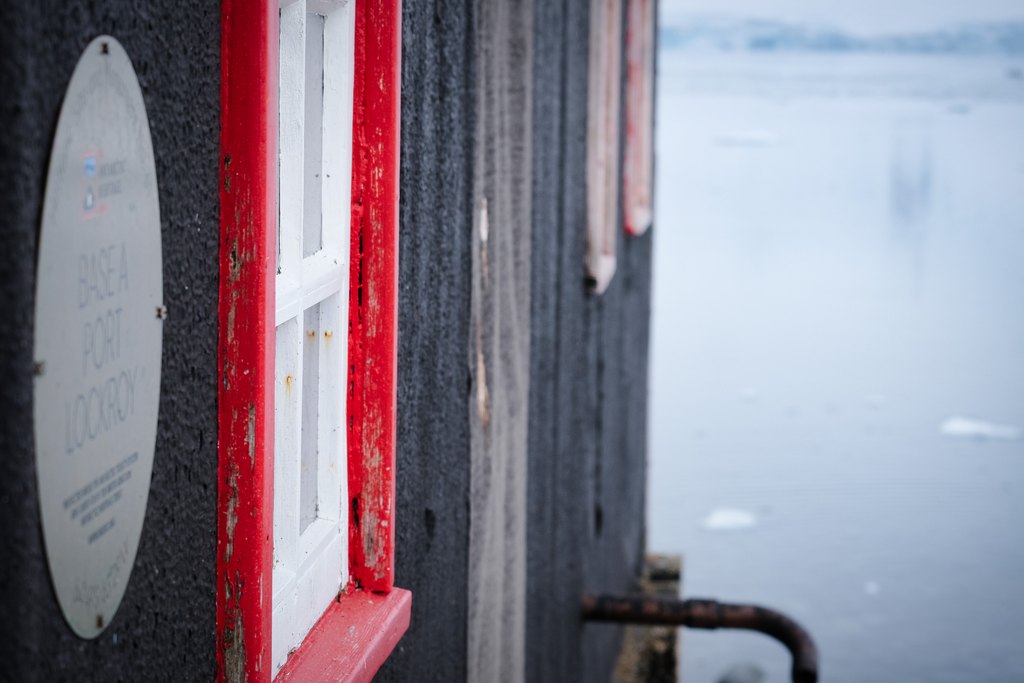
We are also seeing extensive rot in timbers on the exterior face, including floor joists and structural timbers against the outside walls. Increasing moisture is a major concern. The buildings were not designed with systems to divert rain and snowmelt away from their walls, meaning water can run directly onto historic timber and contribute to decay.
Addressing challenges on this scale takes time. Rather than attempting everything in a single Antarctic summer, we developed a carefully phased three-year programme of repairs and improvements, with particular focus on Bransfield House and the ionospheric room.

Year one: stabilisation and preparation
The 2025/26 season marked the first year of that programme, focusing on preparation, stabilisation and building our understanding of how best to protect the site before the major structural repairs begin.
One of the most significant operations was carefully lifting and repositioning the historic Beastie ionosonde. Moving such a large and important artefact required meticulous planning, but it created the space needed for conservation work around the building while ensuring this remarkable piece of Port Lockroy’s scientific history remained protected.
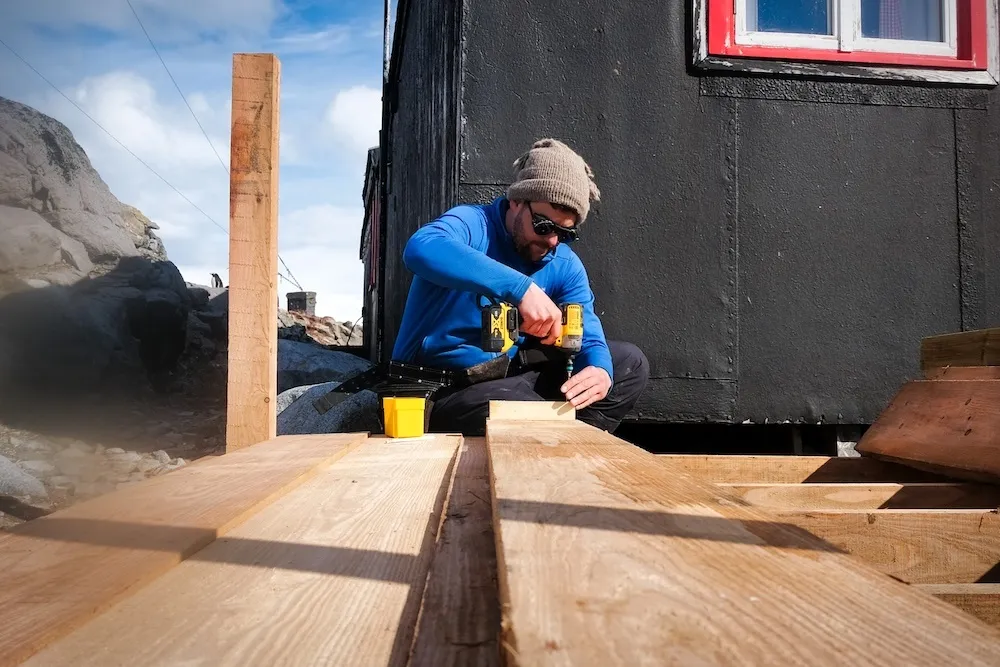
Temporary decking was also erected around Bransfield House, giving our conservation carpenters safer access to the building while helping to minimise wear on the surrounding ground.
Elsewhere across the site, conservation carpenters Jo Oliver and Dan Cheetham completed a substantial programme of work to improve the resilience of the buildings.

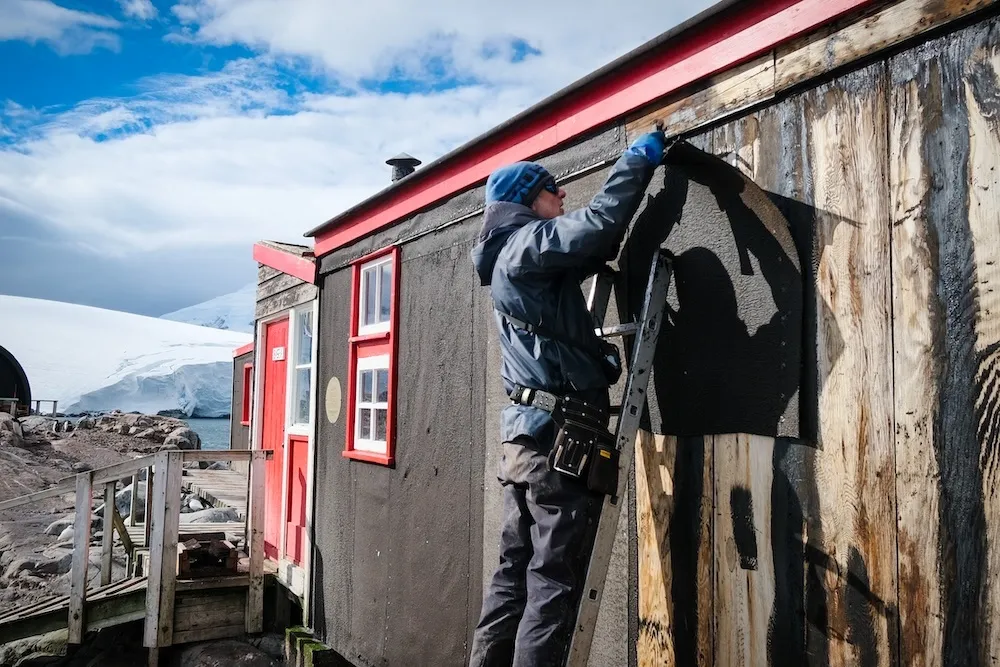
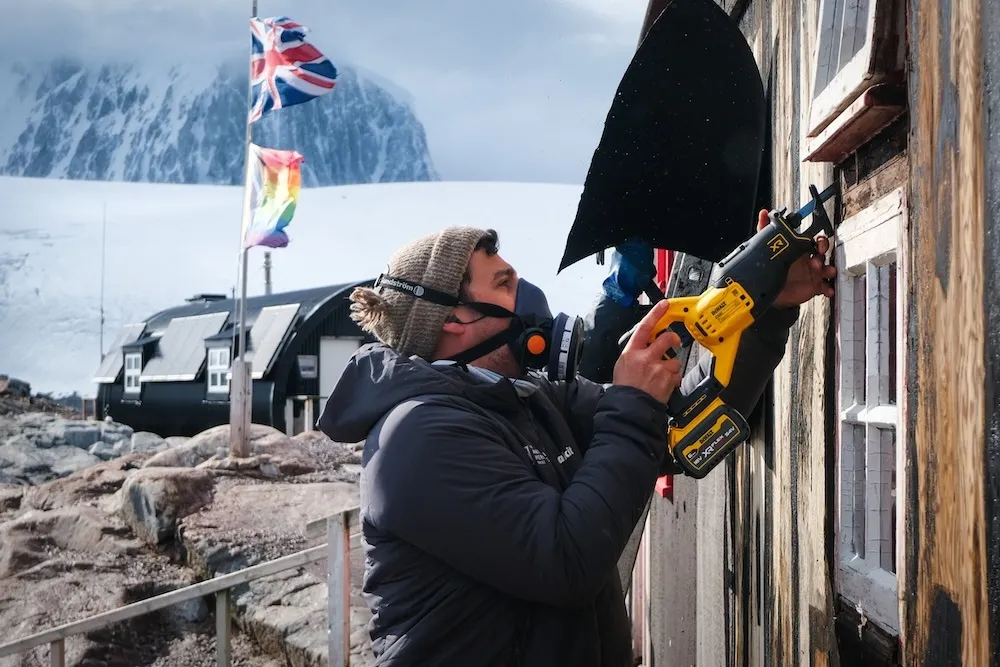

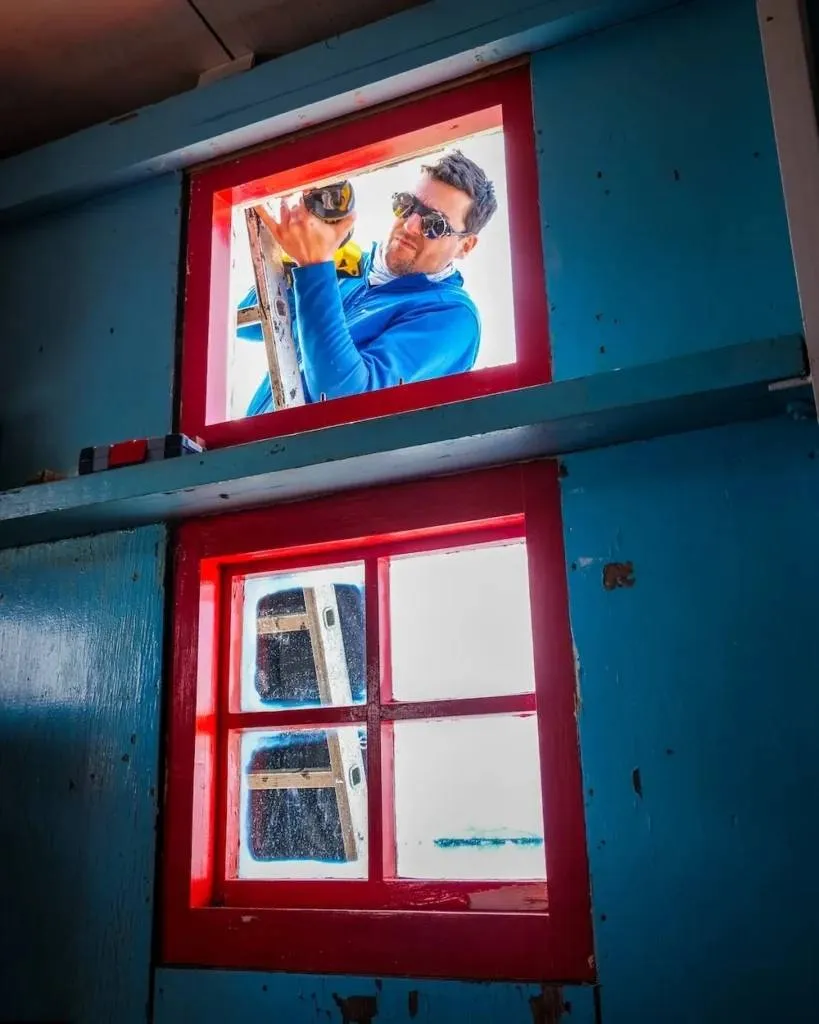


New windows were installed in the New Generator Shed, now home to the Port Lockroy shop, followed by the removal of degraded felt and refelting of its exterior walls. New drip details and wider rainwater management measures were introduced to help direct water away from vulnerable historic timbers.
The historic Boatshed was carefully repainted and restored, a new generator cover was installed, and new interpretation was introduced throughout Bransfield House to help visitors better understand the building and the stories it contains.
Together, these interventions have left Port Lockroy stronger, better protected and better prepared for the more substantial structural work ahead.
Year two: structural repairs
This season, the programme moves into its second year and the main structural repairs.
The careful preparation and learning undertaken during year one gives us a much stronger foundation for this work. In Antarctica, where time, materials and opportunities to correct mistakes are extremely limited, taking the time to understand the building before intervening is essential.
We also plan to strengthen the roof. Bransfield House has a very low-pitched roof with a wide span, making it vulnerable to heavy snow loads. Working closely with our structural engineers, we are developing a solution that will reinforce it while respecting the historic character and fabric of the building.
The main repairs are expected to involve adding timbers to strengthen the floor and increase its load-bearing capacity. This is painstaking work. Every intervention has to balance structural resilience with our responsibility to conserve as much original material as possible.
Year three: finishing and reinstatement
The final year of the programme will focus on making good the work carried out during the first two seasons.
That will include refelting where required, reinstating historic furniture and artefacts, and carefully returning the ionospheric room to its familiar appearance.
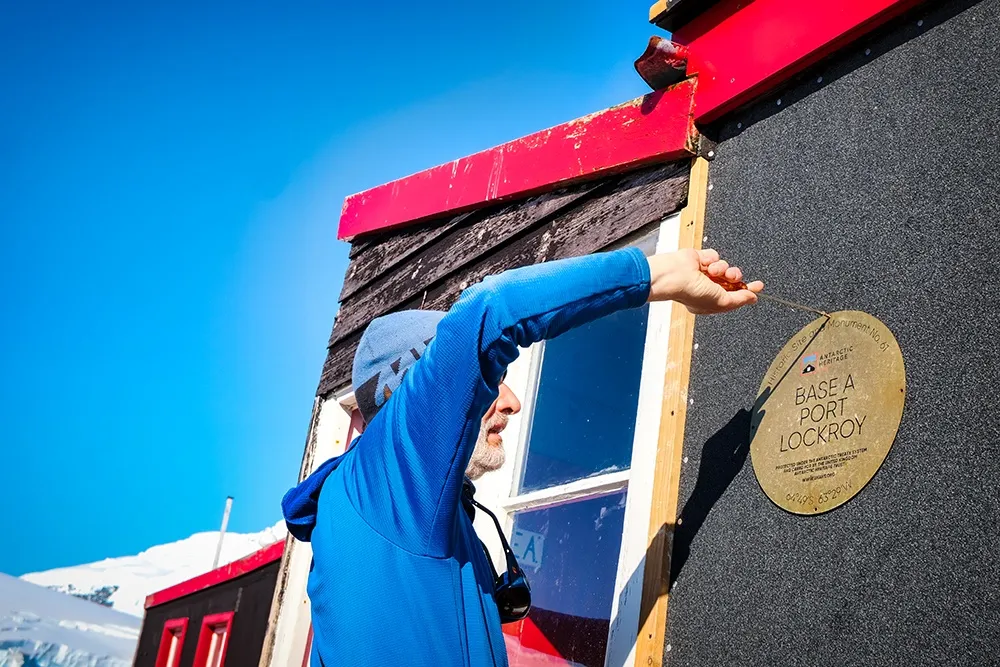
The aim is that, when the work is finished, visitors will see a building that looks much as it did before – but beneath the surface it will be considerably stronger and better prepared for the conditions it will face in the decades ahead.
Adapting to a changing environment
The structural programme is only one part of our work to help Port Lockroy respond to increasingly wet conditions.

Historic Antarctic buildings such as Bransfield House were never constructed with conventional gutters or other rainwater goods. Such features would struggle to survive the extreme conditions, so our conservation team has developed subtle alternatives.
One solution is the installation of small timber drip details beneath eaves and around windows, helping water fall clear of the walls rather than running down and soaking into vulnerable timber.

Last season, these rainwater-management measures formed an important part of the work around the New Generator Shed, alongside the new windows and protective felt. We will continue to build on this approach as we learn more about how relatively small interventions can make a significant difference to the long-term resilience of the buildings.
It is a good example of what conservation at Port Lockroy often looks like: changes that are deliberately difficult to notice, but which could make an enormous difference to the building.
Continuing to welcome visitors
Conservation work of this scale inevitably affects how parts of Port Lockroy can be used. The ionospheric room will remain closed to visitors this season while structural work continues, but it can still be explored virtually through the UKAHT website.
The rest of the museum will remain open, allowing visitors to continue experiencing the remarkable human history of Goudier Island while the work takes place.
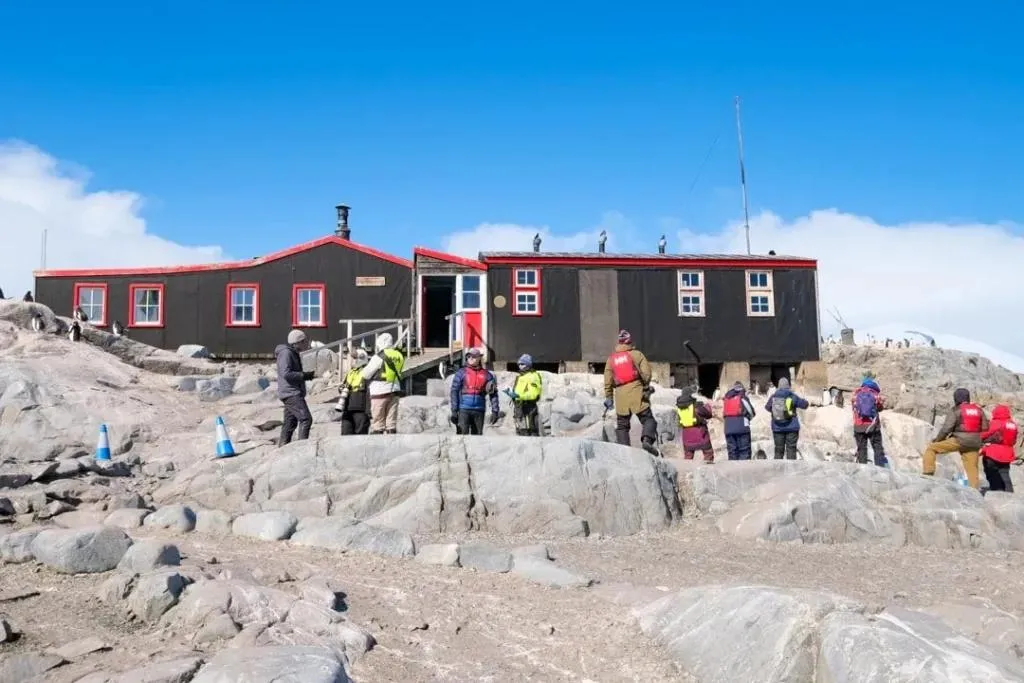
The conservation programme also gives us an opportunity to study the site in much greater detail. As artefacts, furniture and parts of the building are carefully examined, we continue to discover more about the people who lived and worked at Port Lockroy and the science carried out here.
By the end of this three-year programme, our aim is simple: for Port Lockroy to retain the character and authenticity that make it so special, while being stronger and better equipped to face an increasingly challenging Antarctic environment.
If you love a place, protect it
UKAHT is committed to making Antarctica, its heritage and its stories accessible to everyone.
Eighty years in Antarctica have left their mark on this beloved site. Now, Port Lockroy urgently needs restoration to protect its future. Please donate today.
Adopt a penguin
follow a unique colony at the end of the world
Your adoption directly supports on-site colony monitoring and conservation at Port Lockroy. Funds go directly to paying for a wildlife monitor to travel to Antarctica and study the penguin colony at Port Lockroy for the austral summer.