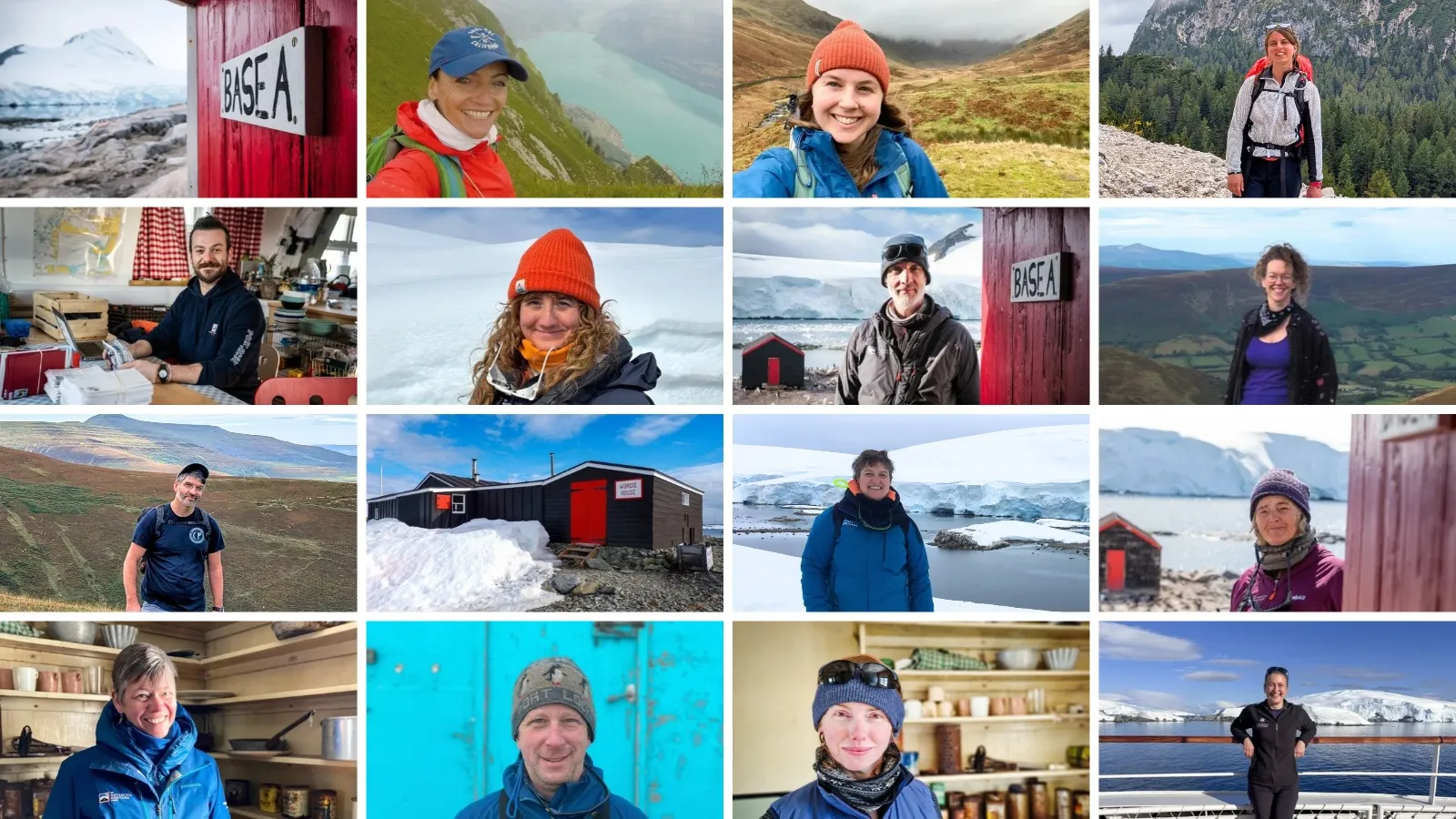
Our diverse 2026 Antarctic team heads south for UKAHT’s biggest conservation season yet, as major works begin to protect historic Port Lockroy from climate change.
Our 2026/27 Antarctic team is preparing to head south for our biggest conservation season yet, with major work planned at Port Lockroy and the first comprehensive survey of historic Wordie House.
This year, our Antarctic team will split into two groups. Eight people will spend five months at Base A, Port Lockroy on Goudier Island, while a specialist field team of six will travel further south along the Antarctic Peninsula to survey Wordie House.
Among those heading south are a health and social care professional turned conservation carpenter, an RAF veteran, a mountain rescue volunteer and specialists with decades of experience caring for historic buildings and objects.
A major year at Port Lockroy
Port Lockroy was established in 1944 during Operation Tabarin, a secret wartime mission that created Britain’s first permanent scientific bases in Antarctica. Today, it is a designated Historic Site and Monument under the Antarctic Treaty and home to our museum, the world’s southernmost post office and a colony of more than 1,000 gentoo penguins.
This season marks the second year of our three-year programme to safeguard Port Lockroy from more than 80 years of exposure to the Antarctic environment and the growing pressures of a rapidly warming climate.
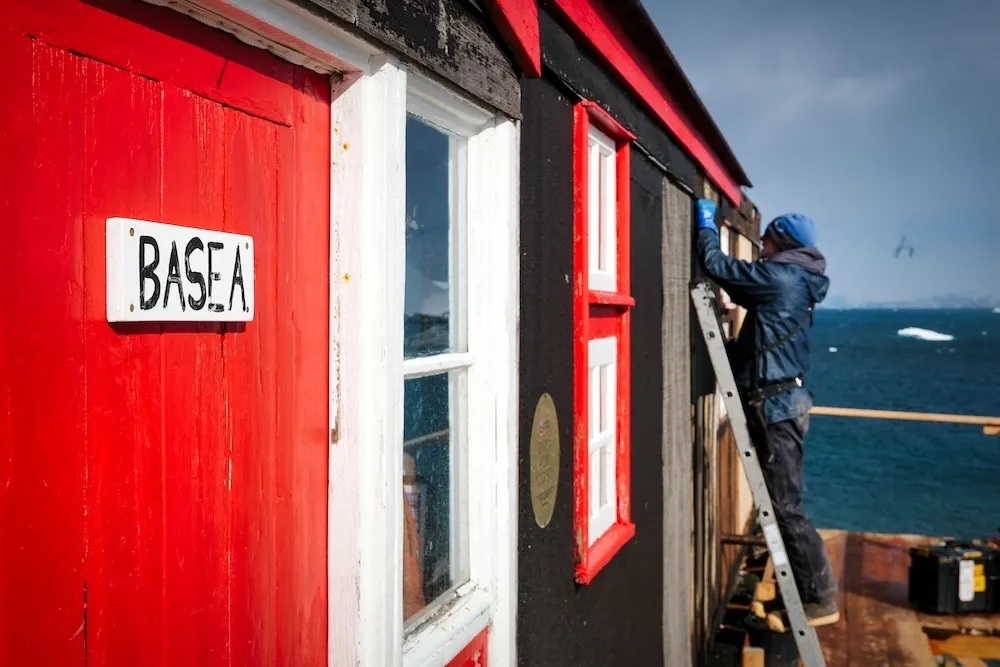
Last season, our conservation team carried out vital preparatory work after surveys identified serious structural weaknesses in the historic buildings. This year, the work steps up significantly, with up to six new roof beams and around 30 steel and timber props being installed beneath the floor to strengthen the building against increased precipitation and snow loading.
Alongside this major conservation programme, the team will welcome visitors to our museum and shop, run the Penguin Post Office and continue our long-running study of Port Lockroy’s gentoo penguins.
This season is a particularly special one for our wildlife monitoring programme, which turns 30. Throughout the summer, our wildlife monitor will count nests, eggs and chicks, continuing a dataset that helps us understand how the colony is changing over time.
Meet the Port Lockroy team
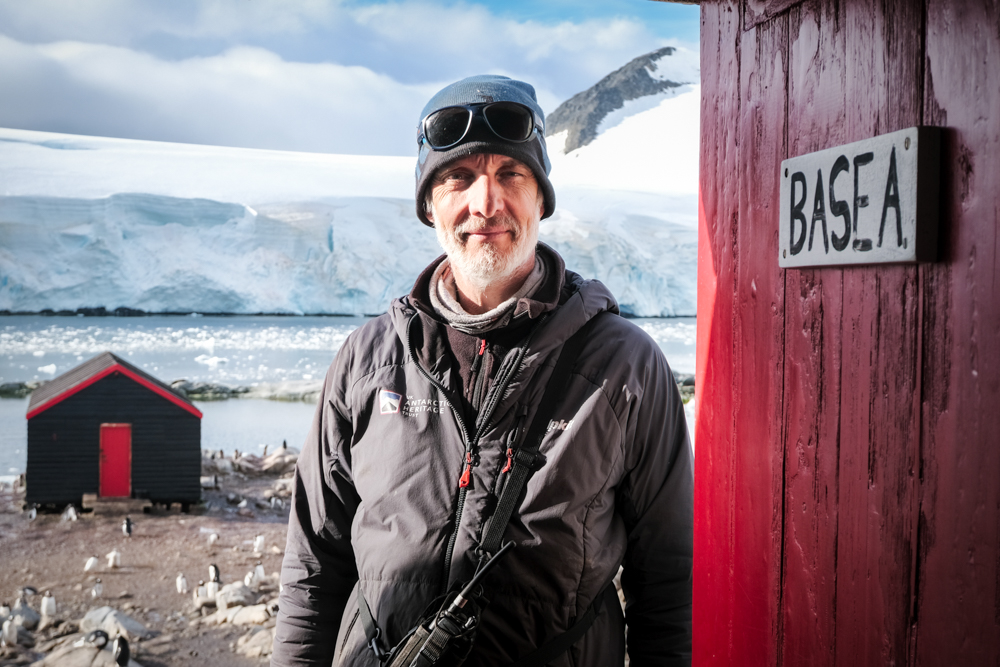
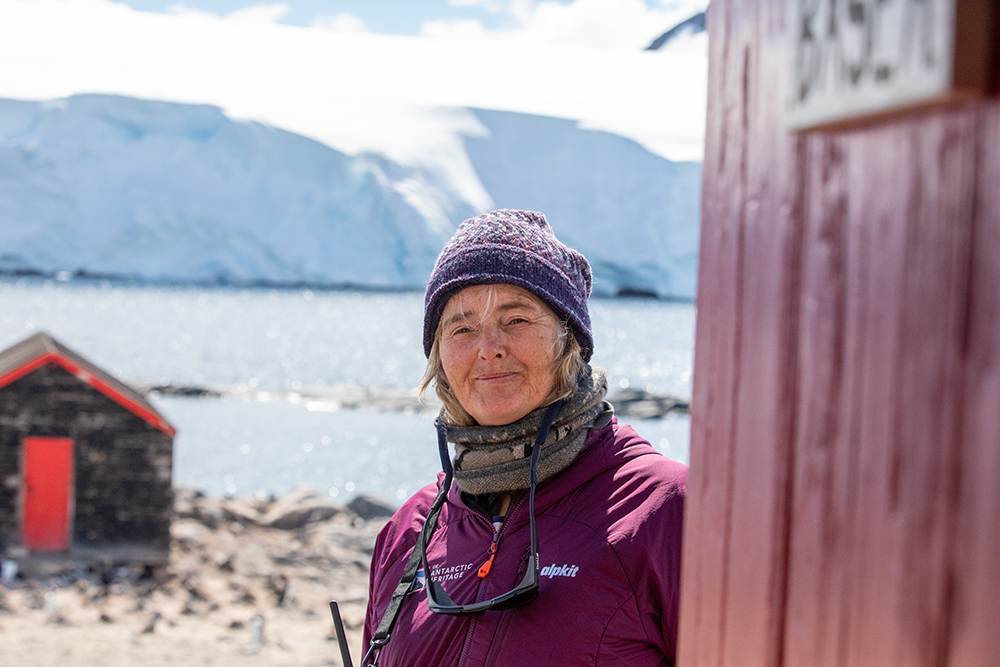
Leading the base this year is Carole McCullough, a former RAF officer whose retirement has included extensive travel, volunteering, study and even the occasional triathlon. After spending time in Ushuaia and later hearing about the Penguin Post Office on the radio, Antarctica proved impossible to resist.
“I applied for the role looking for a bit of an adventure, and Antarctica is the ultimate adventure. The teamwork, the bonding, the appreciation of the place – it’s all going to make for the most wonderful experience.”
Base leader Carole McCullough (UKAHT)
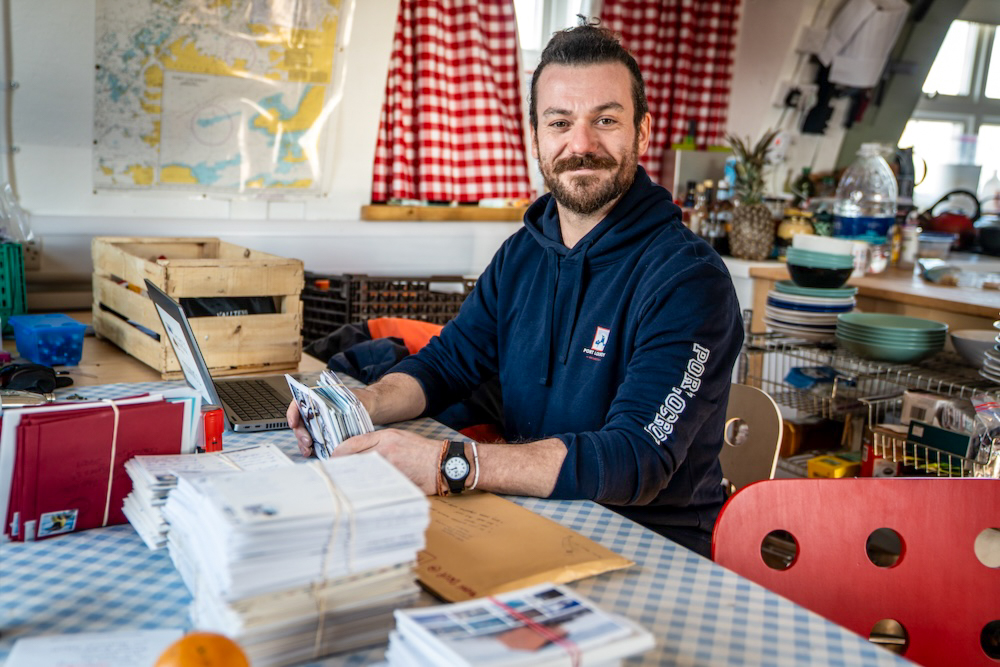
Returning for his third season is George Clarke, our Deputy Base Leader and Postmaster. George has a background in fine art, music events and building large-scale structures, and also created an outdoor art gallery in Bristol.
“I’ve really fallen in love with the Antarctic wilderness, as well as the penguins, and can’t wait to get back there.”
Postmaster George is back again (UKAHT)
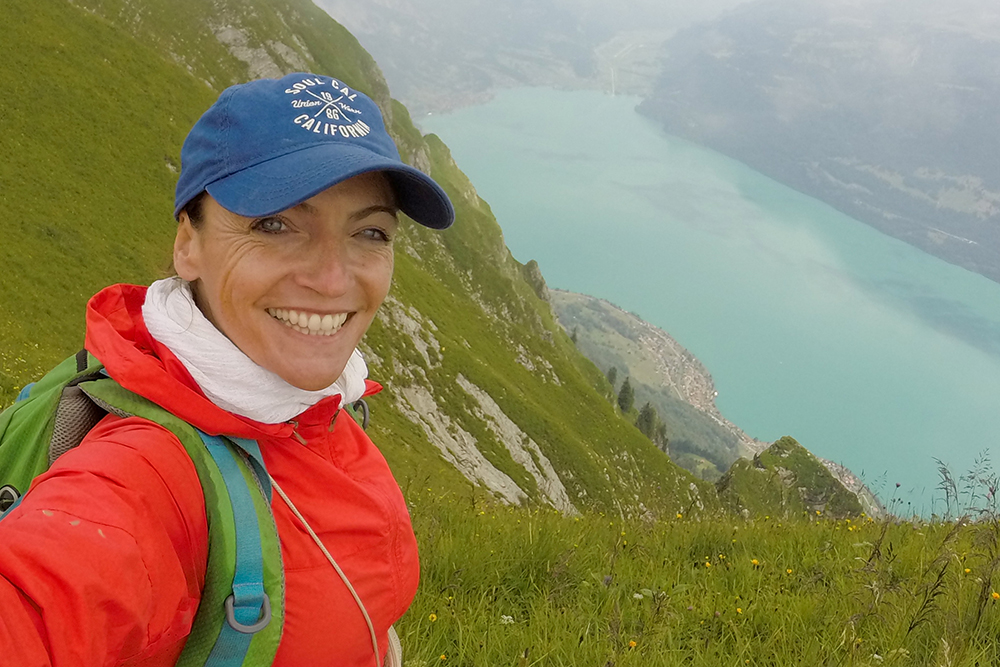
Alice Parr joins us as Wildlife Monitor and Museum Manager. A fundraiser at the British Museum, Alice has a passion for history, exploration and the places that connect us with the past. She first applied to work at Port Lockroy three years ago and was selected as a reserve before successfully applying again this season.
“Clearly persistence pays off! I’m incredibly excited to be managing the museum and counting penguins. It’s the opportunity of a lifetime.”
Wildlife monitor Alice Parr (UKAHT)
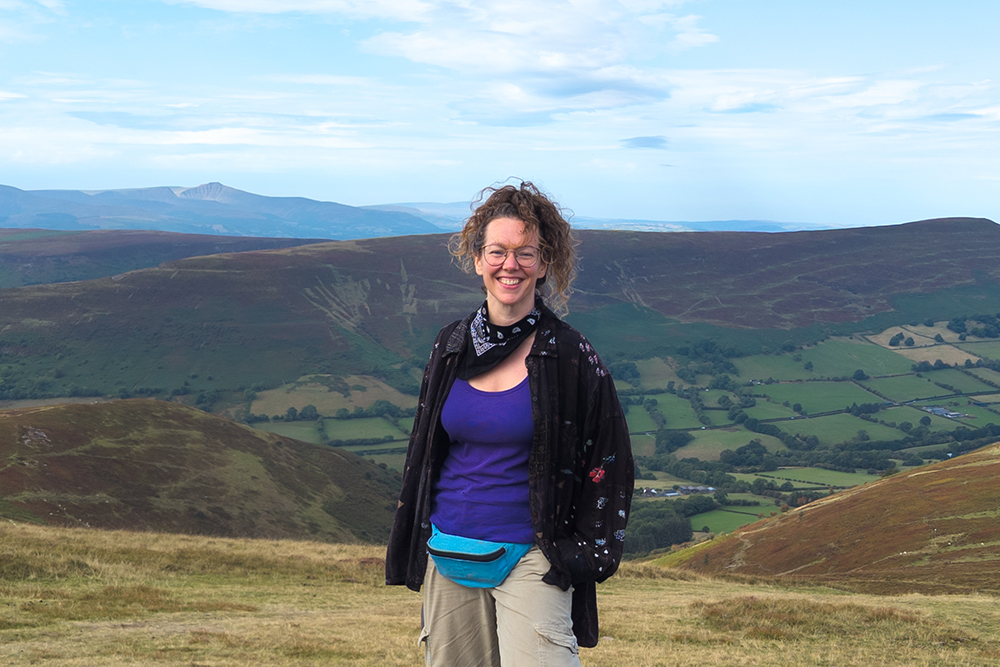
Running the shop is Kath Wibmer, who combines a background in retail, customer service and the creative industries with volunteering for the Search and Rescue Dog Association and the Central Beacons Mountain Rescue Team.
“I’m so excited to be supporting UKAHT’s conservation efforts and penguin monitoring through running the Port Lockroy shop. Every purchase will help raise funds for the charity, as well as being a very special souvenir from Antarctica.”
Shop manager Kath Wibmer (UKAHT)
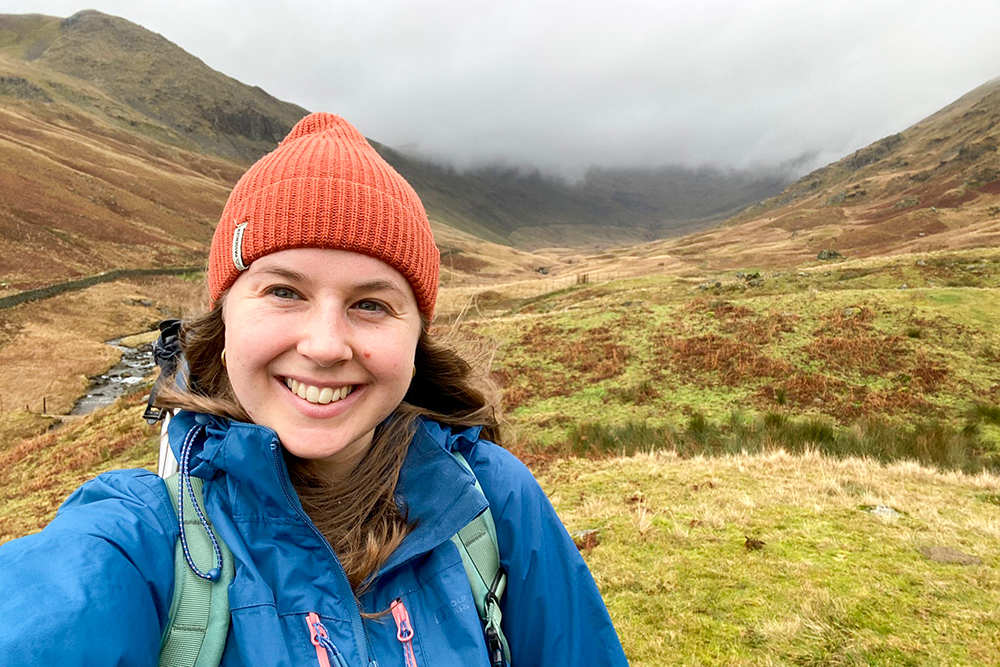
They will be joined by three conservation carpenters. Kate Walford is heading to Antarctica for the first time after retraining from a career in health and social care. She now specialises in traditional architectural joinery repairs and has a particular interest in the relationship between historic buildings and their environment.
“Heritage conservation brings together two things I’m passionate about: the natural environment and historic buildings. I want to help protect both as our climate changes, and hopefully encourage others to do the same.”
Conservation carpenter Kate Walford (UKAHT)
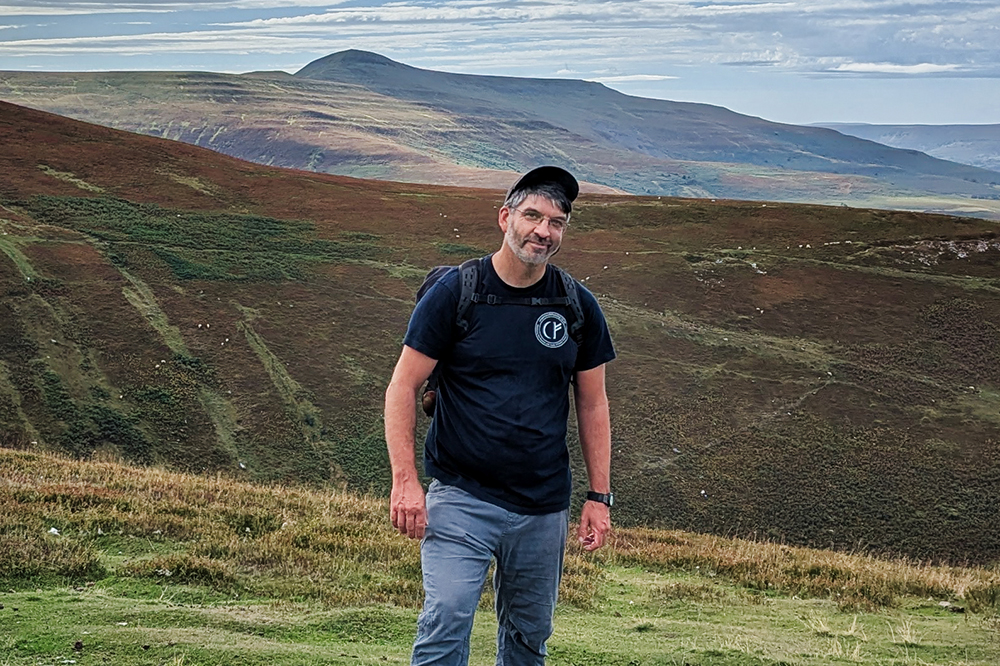
Hugh Arnold brings extensive experience conserving historic timber-framed buildings, including work on Westminster Hall in Parliament and its extraordinary medieval hammer-beam roof.
“I’m looking forward to following in the footsteps of the craftspeople who built the historic base during Operation Tabarin. The history is written in the fabric of the huts, the tool marks, the fixings – I find it magical.”
Conservation carpenter Hugh Arnold (UKAHT)
And Jo Oliver returns for his second season at Port Lockroy. Jo has spent decades working across sculpture, historic buildings, film sets and festival structures, including more than 20 years working with sculptor Anthony Caro.
“Seeing what we achieved last year was incredibly rewarding, and I’m proud to be helping restore and future-proof these wonderful heritage buildings this season.”
Carpenter Jo is returning (UKAHT)
Life at the end of the world
Living at Port Lockroy is an adventure, but it is also demanding. For five months, the team will share a bunkroom, live without running water or flushing toilets and work through 24-hour daylight, freezing temperatures and famously unpredictable weather.
Even small comforts take on greater importance. Each team member has been able to send a box of personal treats south ahead of them. This year’s choices include Cup-a-Soup, Dairy Milk and mini watercolour sets.
Jo at work last season (UKAHT)
Hugh is also taking a 100-year-old chisel handed down through generations of his family, while Kate has packed presents and cards to open when she celebrates her birthday at Port Lockroy in January.
For all the challenges, the rewards are extraordinary: icebergs passing the island, penguin chicks hatching metres away and the Antarctic summer stretching beneath the midnight sun.
Heading further south to Wordie House
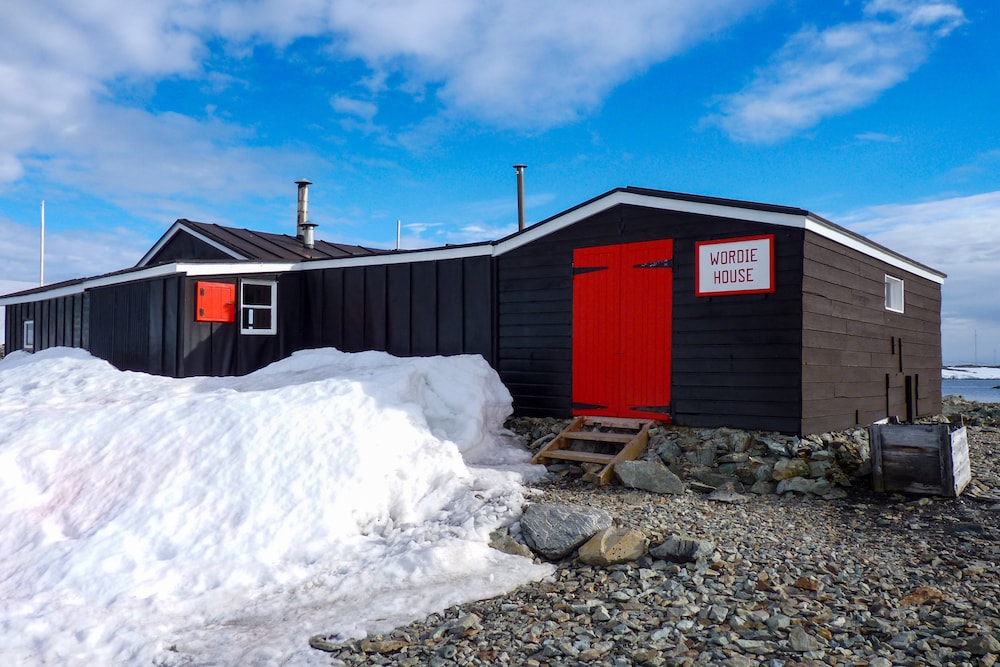
While the Port Lockroy team settles into life on Goudier Island, another UKAHT team will travel much further south to Wordie House.
This season marks the 80th anniversary of the historic hut, where one of Antarctica’s longest continuous climate records began. That record is still continued today by scientists at the nearby Ukrainian Vernadsky Research Base.
A specialist field team will survey Wordie House (UKAHT)
For the first time, our team will carry out a comprehensive survey of Wordie House, recording its historic objects, assessing the condition and structural integrity of the building and digitally mapping the site.
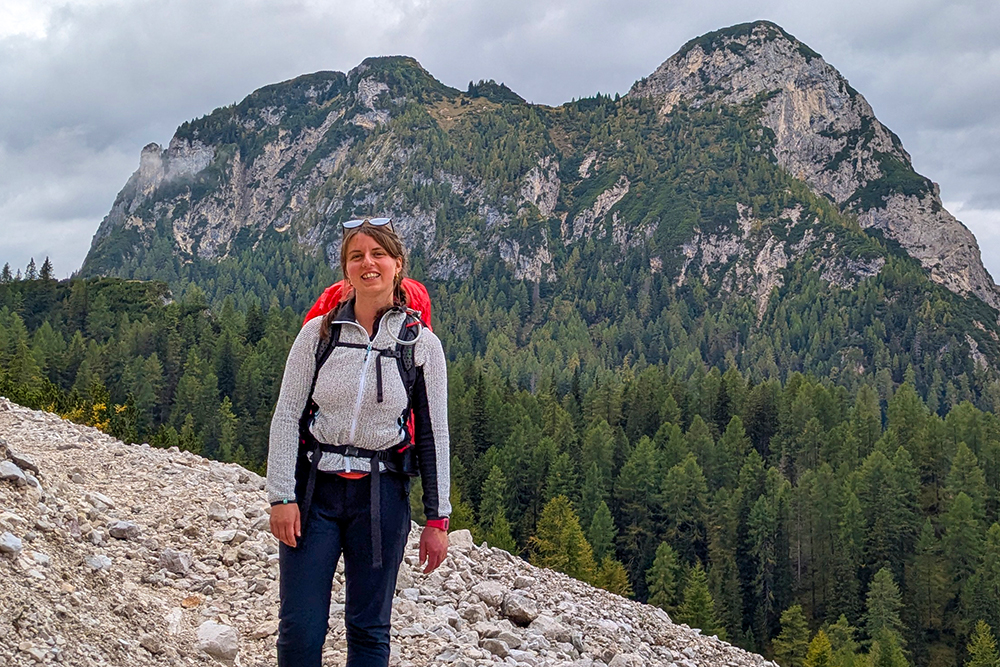
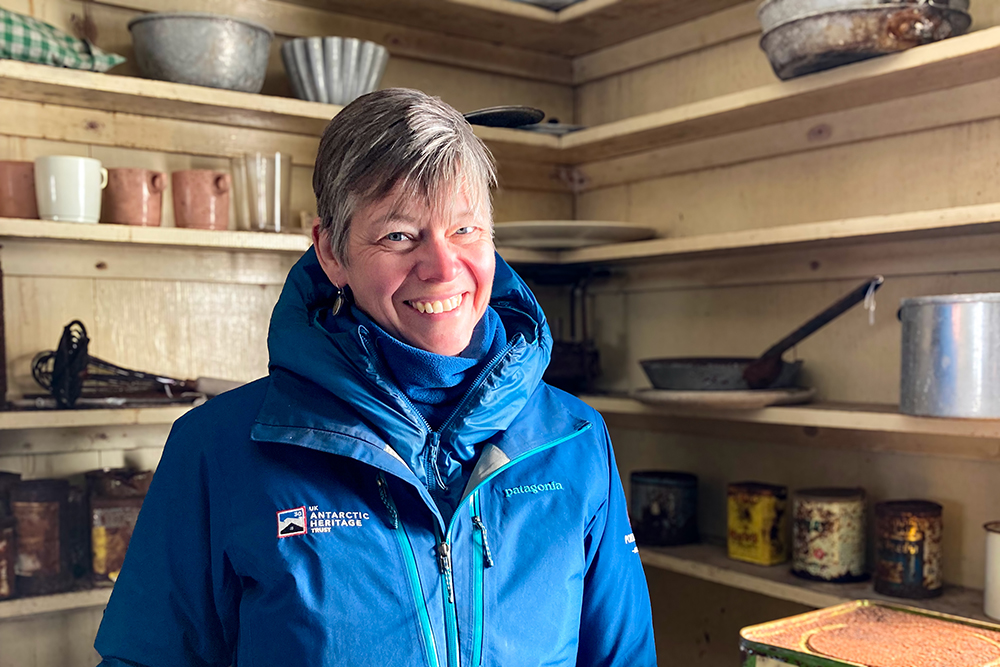
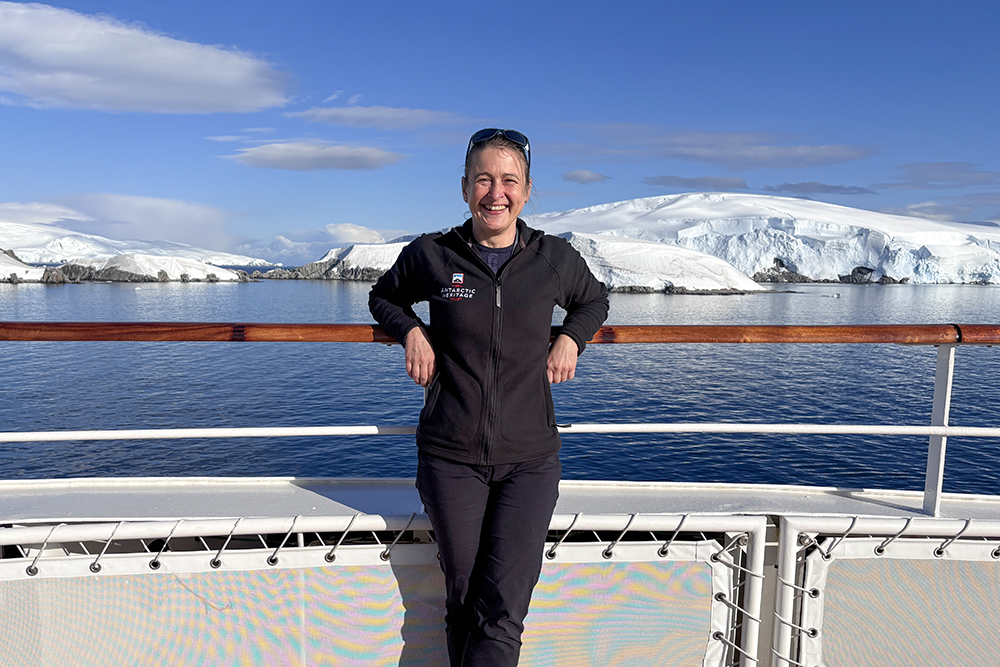
The field team will be guided by Lisa Ford, who returns to Antarctica for her fourth consecutive UKAHT season after three seasons at Port Lockroy, most recently as Base Leader.
“After three seasons at Port Lockroy, the last as base leader, I’m heading further south this time. Wordie House is a hut far fewer people ever get to see, and I’m proud to be leading the team that will survey it properly for the first time.”
The field team will be guided by Lisa Ford (UKAHT)
She will be joined by Sophie Rowe, an artefacts conservator with more than 20 years’ experience in museums and three previous Antarctic field seasons.
“The objects inside Wordie House are still where people left them, and recording each one is how we make sure the stories behind them aren’t lost.”
Artefacts conservator Sophie Rowe (UKAHT)
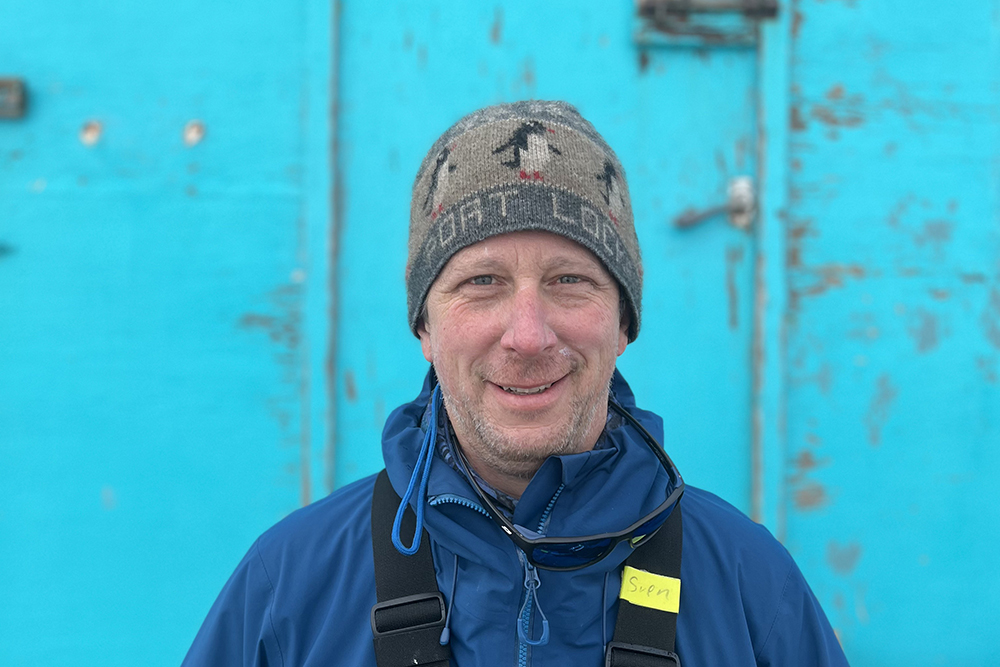
Conservation carpenter Sven Habermann also returns to Antarctica after helping restore Damoy Hut to its original bright orange in 2023.
“You get one chance to get it right down there. There’s no popping out for another tool or a second opinion, so everything I’ve learned in 20 years comes with me!”
Conservation carpenter Sven Habermann (UKAHT)
And conservation-accredited structural engineer Maggie Cooke brings more than 30 years’ experience working with listed and fragile historic buildings.
“Most of the buildings I work on were built to last for centuries. These were never meant to last at all, and yet they’re still standing decades on. Working out how to keep them standing, without changing what they are, is the kind of problem I love.”
Structural engineer Maggie Cooke (UKAHT)
Protecting Antarctica’s heritage
Before heading south, the team has undergone extensive training, from remote first aid and sea survival to Antarctic history, wildlife monitoring and the strict environmental protocols that govern everything we do on the continent.
“With the demanding conservation season ahead at Port Lockroy and beyond to Wordie House, we have selected a team who bring specialist knowledge and understanding of the Antarctic environment, as well as some much-needed enthusiasm and resilience.
“This is a huge year for us as we meet the escalating challenges posed by a rapidly warming climate. Since Wordie House’s records began in 1947, temperatures have risen four degrees on the Antarctic Peninsula, and we see the impact of this every year on the wildlife and special places in our care.”
Our work this season is only possible thanks to the people who support UKAHT. We are still fundraising for this ambitious programme of conservation work, helping us protect Antarctica’s extraordinary heritage for generations to come.
If you love a place, protect it
UKAHT is committed to making Antarctica, its heritage and its stories accessible to everyone.
Eighty years in Antarctica have left their mark on this beloved site. Now, Port Lockroy urgently needs restoration to protect its future. Please donate today.
Donate Now
Adopt a penguin
follow a unique colony at the end of the world
Your adoption directly supports on-site colony monitoring and conservation at Port Lockroy. Funds go directly to paying for a wildlife monitor to travel to Antarctica and study the penguin colony at Port Lockroy for the austral summer.