







Back for a third season at Port Lockroy, but now as base leader, Lisa Ford reflects on leadership, teamwork and life at the iconic site.
Returning to Port Lockroy for her third consecutive season, Lisa Ford now has the keys to the base she knows so well. Taking on the role of base leader at one of Antarctica’s most iconic heritage sites, she brings deep familiarity with the island, the rhythms of life in this remote environment, and a fresh perspective shaped by new responsibilities.
As she begins the season guiding a new team, caring for Bransfield House and welcoming visitors from around the world, Lisa reflects on what it feels like to return with both confidence and curiosity.
We caught up with her as she settled back in to talk about leadership, life on the Antarctic Peninsula, and seeing Port Lockroy from the top.
What’s it like leaving the UK at the start of winter to spend the summer in Antarctica?
Oh, it’s fantastic — just fantastic. I love going away during the UK winter, and over the past two years, it’s been a particular joy to swap grey days for 24-hour daylight. I’m an early riser, so having daylight in the early morning is really special.
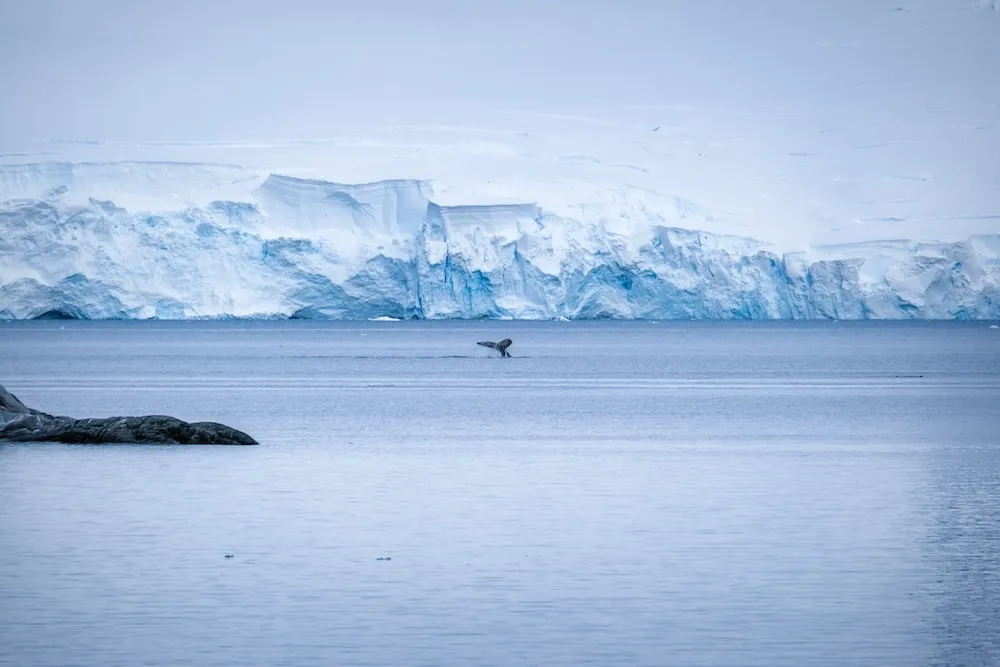
I’ll never forget one moment at Port Lockroy. I was making myself a cup of tea at around five in the morning, looking out of the kitchen window, and watching humpback whales breaching in the bay. I thought, should I go and wake the others? I decided not to – probably the right choice – but I remember thinking, who else gets to see this from their kitchen sink?
What are the conditions like at that time of year on the Antarctic Peninsula?
It can genuinely be four seasons in one day. At times, you get lots of sunshine — those are your real “dingle days”, with blue skies, bright light, dramatic mountains and stunning views.
Other days are completely different: grey like a Scottish winter, snowing steadily, with extreme winds and blizzard conditions. Low cloud can roll in quickly too. But on those good days, when the light hits just right, the scenery glows and glitters. It’s utterly captivating.
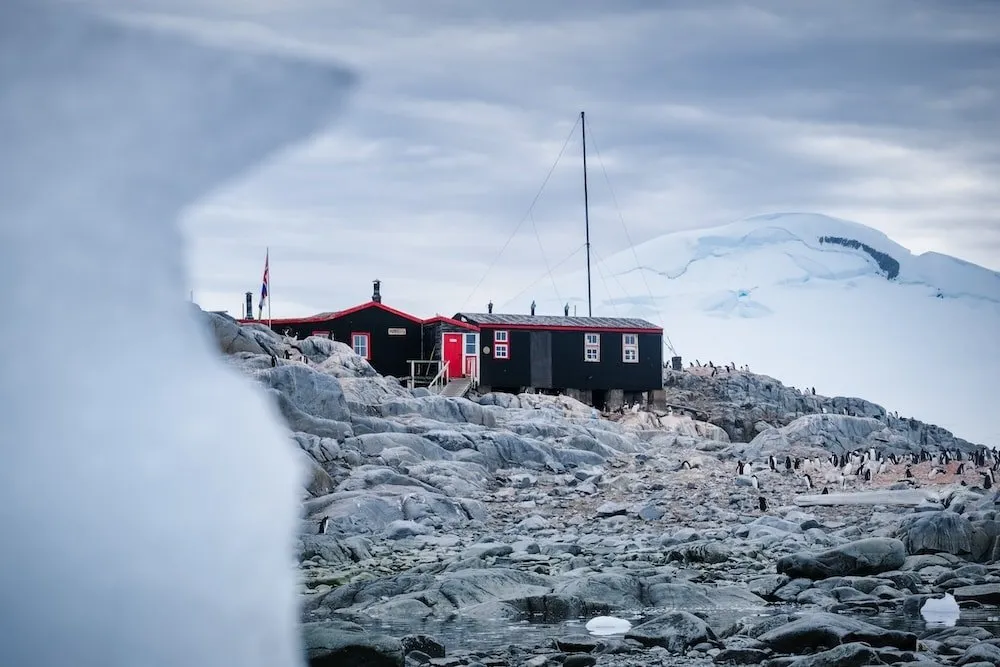
What made you want to return for a third consecutive season, and what feels different now that you’re leading the team?
I love a challenge — and I was asked! I did have to think carefully about it, because I’d loved the last two seasons so much, and this role can be a real juggling act. You’re constantly making sure everything works well and that everyone enjoys their time here, despite the hard work and long hours.

The biggest difference this year is how much time I spend at a computer. I’m in regular contact with visiting expedition teams, arranging ship visits, coordinating team changes and liaising with our UK-based colleagues. There’s also the board — the one with all the daily details, ship schedules and plans ahead. Making sure that’s correct, clear and legible is now my responsibility.
How did your experience in previous seasons prepare you for becoming base leader?
I don’t think you can fully appreciate how much this role involves until you’re actually doing it. There are so many things to juggle in your head at once.
Having been here before really helps — knowing how things work, understanding the rhythm of the season, and helping the rest of the team settle in and thrive in their new roles. When everyone pulls together, anticipates what needs doing and just gets on with it, life here runs relatively smoothly. It certainly makes organising everything much easier.

Can you describe the moment you arrived this season and realised the base was now your responsibility?
I felt excited, but also a little nervous about what we might find after the winter. Being left on shore by the ship at Port Lockroy and thinking, OK, let’s get going, was quite daunting — especially when it came to digging into the buildings and getting everything open again.
We all just got on with it, even when we had quite a few technical glitches to iron out in the first 48 hours. Teamwork makes all the difference.
What aspects of leading a remote Antarctic base are most exciting, and which feel the most daunting?
The excitement comes from being back in this beautiful place, welcoming a new team and greeting visitors to the island. I get such a buzz from seeing how much people love being here — watching them marvel at the wildlife, the museum and the history of this tiny island.
The most daunting part? Making sure all my paperwork is up to date and that the days ahead are properly organised.
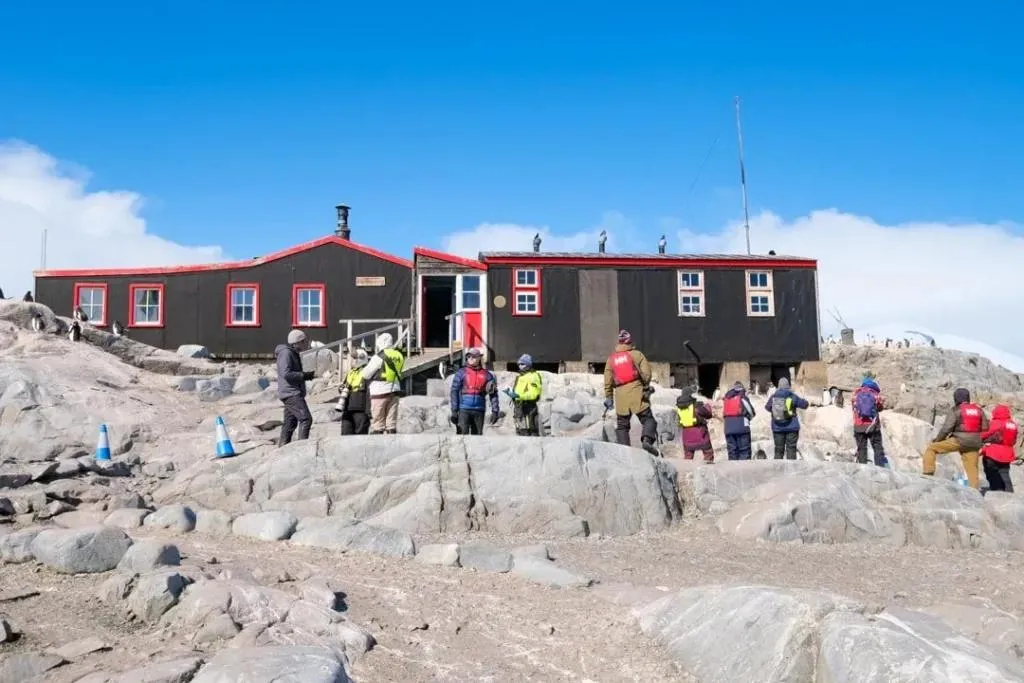
What does a typical day at Port Lockroy look like?
Days at Port Lockroy are extremely busy — fortunately, there’s plenty of daylight to fit everything in.
I usually wake up early to get a head start before the others. The day begins with opening the historic buildings and making sure the landing site is clear and safe. When the first expedition ship arrives, typically between eight and nine in the morning, the team welcomes visitors to the island. This pattern then repeats in the afternoon.
Between ship visits, there’s always plenty to do: restocking, waste management, recycling and general maintenance. Conservation work is ongoing too. Some of our historic buildings are over 80 years old and were never designed to withstand decades of brutal winds, sub-zero temperatures and constant freeze-thaw cycles.
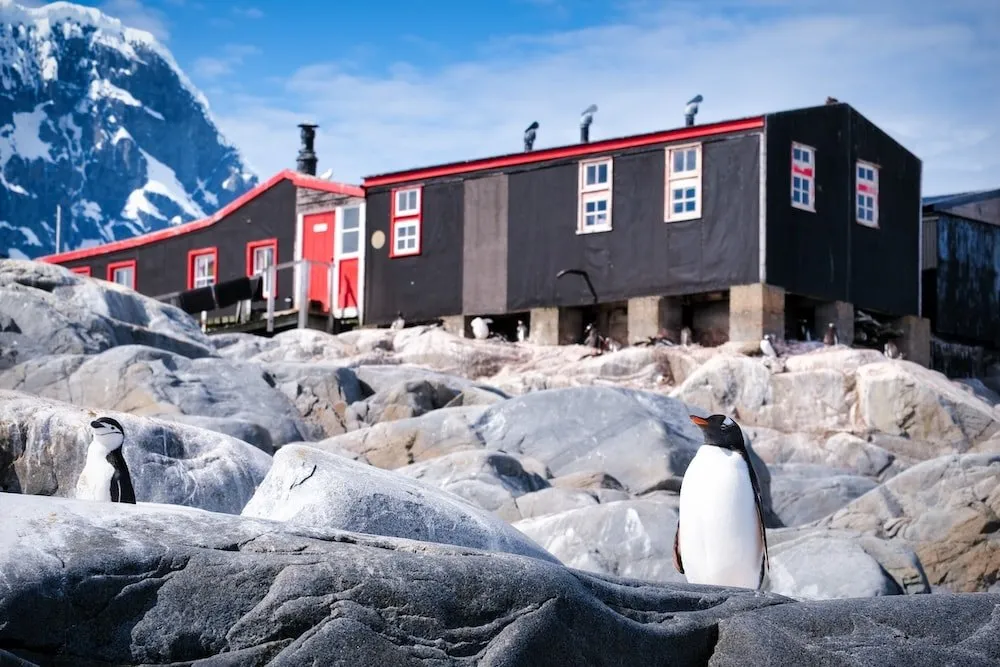
We work alongside skilled heritage carpenters and conservators who use traditional materials and techniques to preserve the buildings and their authenticity. Their time is limited, and the conditions can be severe, so where possible, the Port Lockroy team helps out — from repainting woodwork to repairing window frames.
In the evenings, there’s usually admin to complete, but it’s just as important to take moments to enjoy the place — going out to take photos, soaking up the atmosphere, or simply having some quiet time. It’s intense, but incredibly rewarding.
Most people think of Antarctica as isolated. What helps you feel connected to the wider world?
It’s certainly a long way from home, and there are moments when it feels very remote — especially when you look out to sea, and all you hear are penguins and the occasional blow from a whale.

That said, it’s hard not to feel a sense of connection to the wider world. We carefully manage our personal internet use, but staying in touch helps — while also making sure we fully experience being here and everything Port Lockroy has to offer.
What advice would you give to someone considering spending a season at Port Lockroy?
Just apply — you’ve got nothing to lose except the time it takes to fill in the application form. Patience is essential, as plans can change constantly. You need to be tolerant, aware of others’ needs, and most importantly, ready to muck in.
Port Lockroy has so much to offer, and it gives a lot back to those lucky enough to spend time here.
If you love a place, protect it
UKAHT is committed to making Antarctica, its heritage and its stories accessible to everyone.
Eighty years in Antarctica have left their mark on this beloved site. Now, Port Lockroy urgently needs restoration to protect its future. Please donate today.
Adopt a penguin
follow a unique colony at the end of the world
Your adoption directly supports on-site colony monitoring and conservation at Port Lockroy. Funds go directly to paying for a wildlife monitor to travel to Antarctica and study the penguin colony at Port Lockroy for the austral summer.