







On Horseshoe Island, unpacking a former doctor’s belongings reminds expedition leader Adam Turner of the human stories embedded in Antarctica’s history.
Antarctica is a place of emotion. It draws out responses from every kind of stimulus: from the gentle, precious moment when new life enters this harsh environment, to the colossal crash of icebergs calving into frigid water.
After 12 years working in Antarctica with the British Antarctic Survey and across tourism and field projects, I’ve been fortunate to experience a wide range of feelings here. But it wasn’t until a recent visit to Horseshoe Island that I encountered something entirely new.
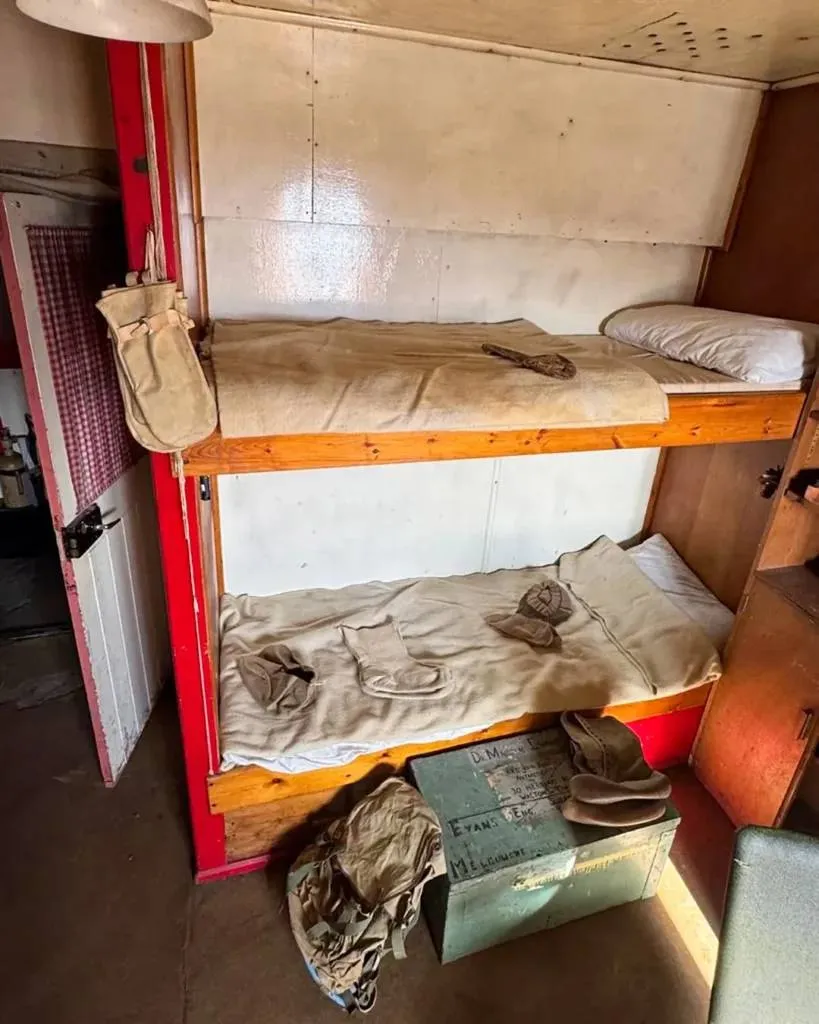
One of the tasks for this year’s field project was to return the personal effects of Dr M Evans, who had served with the Falkland Islands Dependencies Survey at both Base E, Stonington Island, and Base Y, Horseshoe Island. These artefacts included a pair of boots with liners, with the most notable items being a woollen balaclava, gloves, and a backpack.
The logistics were straightforward. We had already placed the boxed artefacts onboard the MV Ortelius the previous year. Upon arrival, our task was to unpack them carefully, identify potential exhibit locations, and place them in the medical room while the UK Antarctic Heritage Trust considers their permanent display.
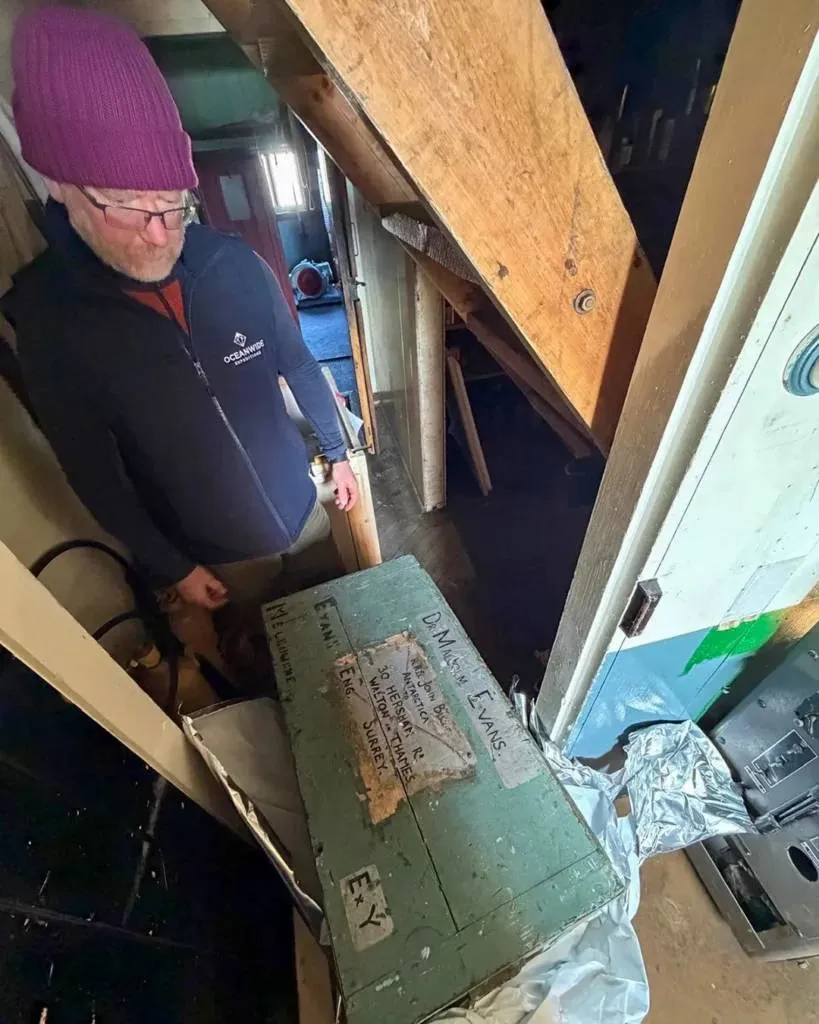
But as Chris and I began opening the boxes, the task shifted. It was no longer just about handling artefacts. We found ourselves part of something more – something that felt almost like a quiet act of remembrance. I still struggle to describe it fully.
The care with which Dr Evans’ belongings had been stored – by him and his family – was unmistakable. There was pride there, and a deep connection to this place. It’s a connection I recognise in myself – the same pull that keeps drawing me back.
What I felt wasn’t sadness, but something new. Once we had finished, I took a slow walk around the base to reflect.
For much of my working life, I’ve been returning to Antarctica. But this time, different questions surfaced. What have I left behind? What will my legacy be here? Will there be any trace of me when I’m gone? How can I make a difference that might help others?
All of that, from a single task.
Then it became clear. In returning these artefacts, I was playing a small part in preserving the legacy of Dr Evans. And that feeling – that quiet sense of purpose – is something I won’t forget.
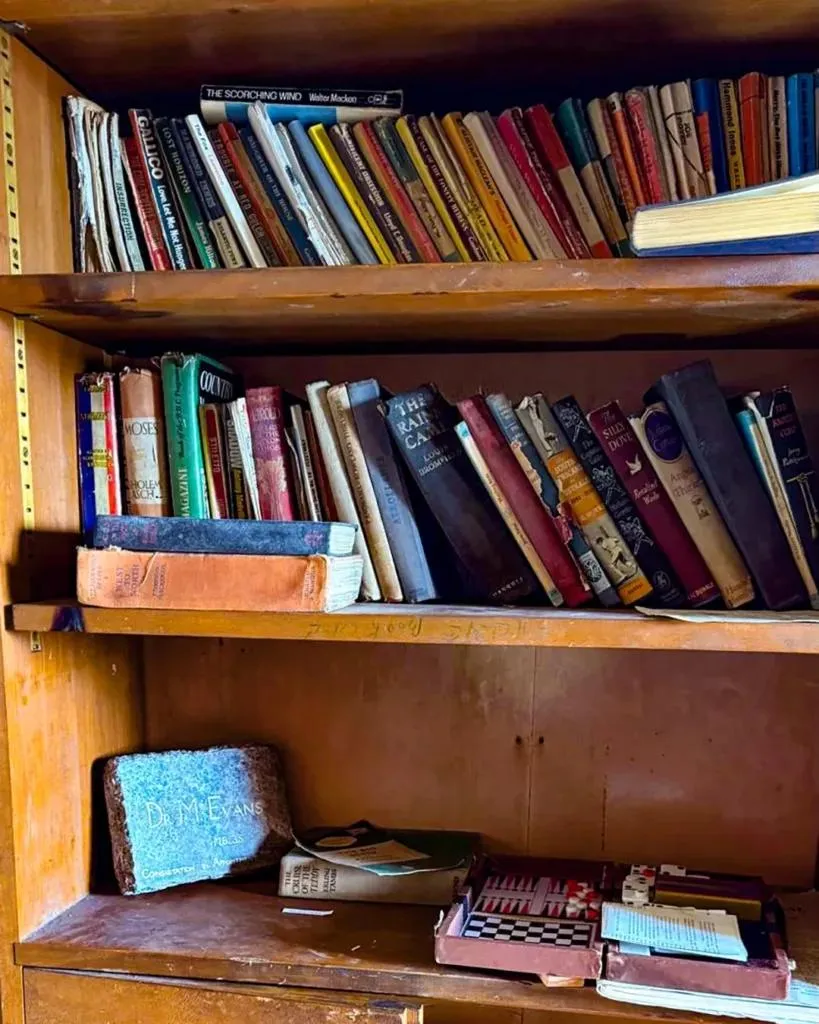
I’ve always valued sharing knowledge and passion for Antarctica with guests, colleagues and friends. But this was different. This was tangible. This was the story of a man who devoted years of his life to this place, whose treasured belongings have now been returned to the island he loved, where they can be seen and appreciated for generations to come.
As for my own legacy – who knows what that will be, if anything. For now, it’s enough to play a small role in preserving these buildings, these stories, and in helping carry forward the stories of others.
– Adam Turner, Expedition Leader, Oceanwide Expeditions
If you love a place, protect it
UKAHT is committed to making Antarctica, its heritage and its stories accessible to everyone.
Eighty years in Antarctica have left their mark on this beloved site. Now, Port Lockroy urgently needs restoration to protect its future. Please donate today.
Adopt a penguin
follow a unique colony at the end of the world
Your adoption directly supports on-site colony monitoring and conservation at Port Lockroy. Funds go directly to paying for a wildlife monitor to travel to Antarctica and study the penguin colony at Port Lockroy for the austral summer.